Storing a Classic Car in Northern Nevada's Climate
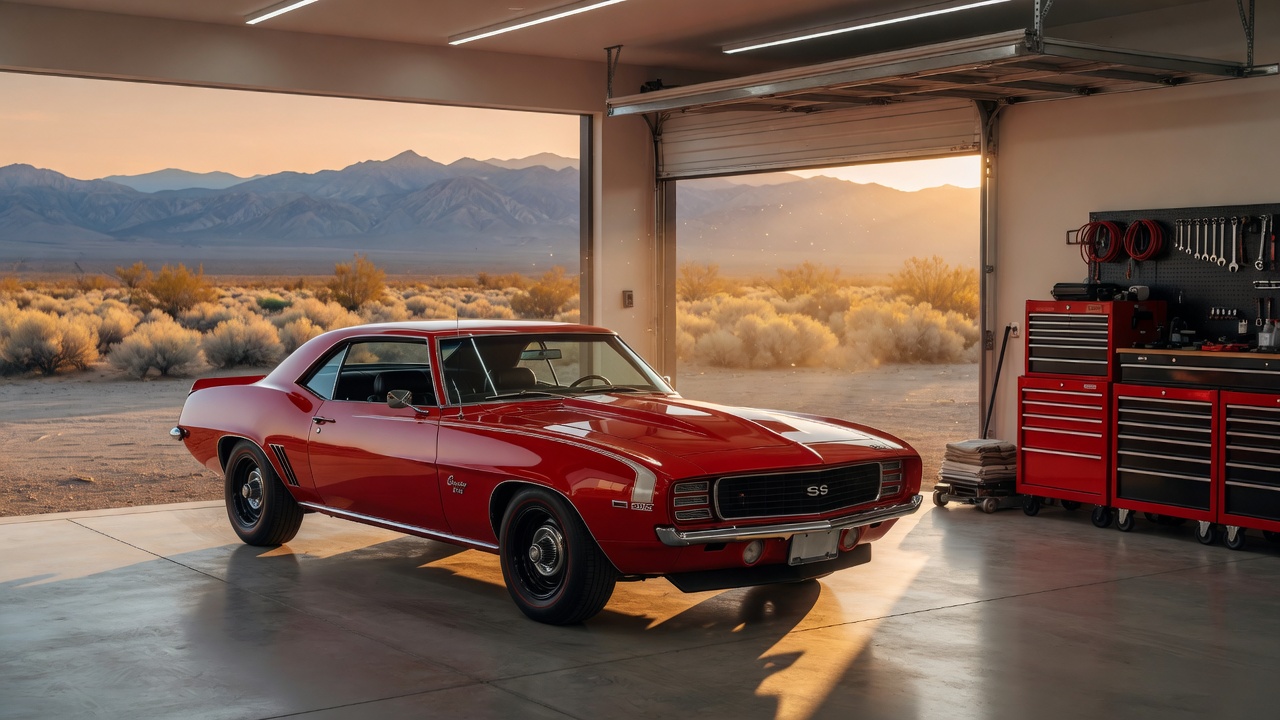
Ask anyone who lives in Northern Nevada why they moved here, and "the dry climate" is always on the list. It's one of the region's biggest advantages for car ownership. Low humidity means less rust, fewer electrical gremlins, and a climate that's genuinely kind to sheet metal. But "kind" doesn't mean "perfect." The high desert has its own set of challenges that every classic car owner should understand.
After decades of living and working in this region — and spending plenty of time around garages and car shows — here's what I've learned about keeping a classic vehicle in top shape in Northern Nevada.
Why the High Desert Is Good for Cars
Let's start with the positives, because there are a lot of them. Northern Nevada sits at elevations between roughly 4,000 and 6,500 feet. The air is dry. Average relative humidity in the Reno-Carson City corridor runs between 15% and 35% depending on the season — far lower than coastal regions. That dry air is the single biggest reason classic cars last longer here.
Rust is the enemy of every vintage vehicle, and in Northern Nevada, you have a built-in advantage. Cars that would be bubbling with corrosion after 10 years in the Pacific Northwest or the Northeast can look showroom-fresh after decades here. Brake rotors get surface flash rust from sitting, but the body panels, frame rails, and floor pans? They stay clean.
There's no road salt in Northern Nevada. The state doesn't use salt treatment on highways — they use plows and sand. So you're not dealing with the winter corrosion that eats cars in the Midwest and East. For classic car owners, this alone is worth the move.
The Challenges You Need to Plan For
The desert is easy on rust, but it's hard on other things. Here's what to watch for.
UV Exposure
Northern Nevada gets over 300 sunny days per year. That's great for driving — not so great for paint, interiors, and rubber components. UV radiation at 4,500 feet is significantly more intense than at sea level. If your car sits in direct sunlight, even through a garage window, the paint will oxidize and the dashboard will crack faster than you'd expect.
What to do: If your garage has windows, install UV-blocking film or keep them covered. Use a quality car cover rated for UV protection if you're parking outside. For interior protection, a windshield sun shade is essential, and conditioning vinyl and leather every few months prevents premature aging. Ceramic coating on the paint adds a measurable layer of UV defense.
Temperature Swings
The desert swings hard between day and night. Summer highs in the Reno-Carson City area regularly hit 95–105°F, while nighttime lows drop into the 50s and 60s. Winter brings freezing overnight temperatures, often dipping into the teens and single digits, followed by daytime thaws. These constant expansion and contraction cycles stress rubber seals, gaskets, and weatherstripping.
What to do: Inspect all rubber seals and gaskets annually. Door seals, trunk seals, and window channels all degrade faster here than in temperate climates. Keep a set of spare weatherstripping on hand. If you're storing a vehicle long-term, use a battery tender and check coolant rated for the temperature range. Ethylene glycol antifreeze rated to at least –34°F is standard, but verify the mix is correct before winter.
Dry Rot on Rubber and Hoses
The same dry air that prevents rust accelerates rubber degradation. Tires that sit for months without moving can develop flat spots and dry rot. Radiator hoses, fuel lines, and brake hoses all become brittle faster than they would in a humid climate. This is especially important for vehicles that are driven seasonally — say, a summer-only classic that sits from October through April.
What to do: Move the car periodically, even if it's just rolling it forward and back a few feet to rotate the tires. Use tire cradles or inflate tires slightly above normal storage pressure. Inspect all rubber hoses at least twice a year. If the car sits for more than six months, consider replacing fuel lines preemptively — the cost of a few feet of hose is nothing compared to the cost of a fuel leak.
Dust and Fine Particulate
Desert dust is fine, abrasive, and everywhere. It gets into air filters, engine bays, and interior fabrics. Over time, it works its way into every crevice and can cause paint scratching when you wipe it off incorrectly. If you're near a construction site or unpaved road — common in the growing areas around Carson City, Dayton, and Spanish Springs — the problem is amplified.
What to do: Keep the car covered, even in the garage. A breathable indoor car cover keeps dust off the paint without trapping moisture. Clean the car with a proper two-bucket wash method — never dry-wipe desert dust, as the fine particles will scratch the paint. Keep the garage sealed as well as possible, and consider an air filter for the garage if you're working on detailed paint or interior work.
How to Set Up Your Garage for Storage
The ideal garage for classic car storage in Northern Nevada is enclosed, insulated, and sealed against dust. Here's what to prioritize:
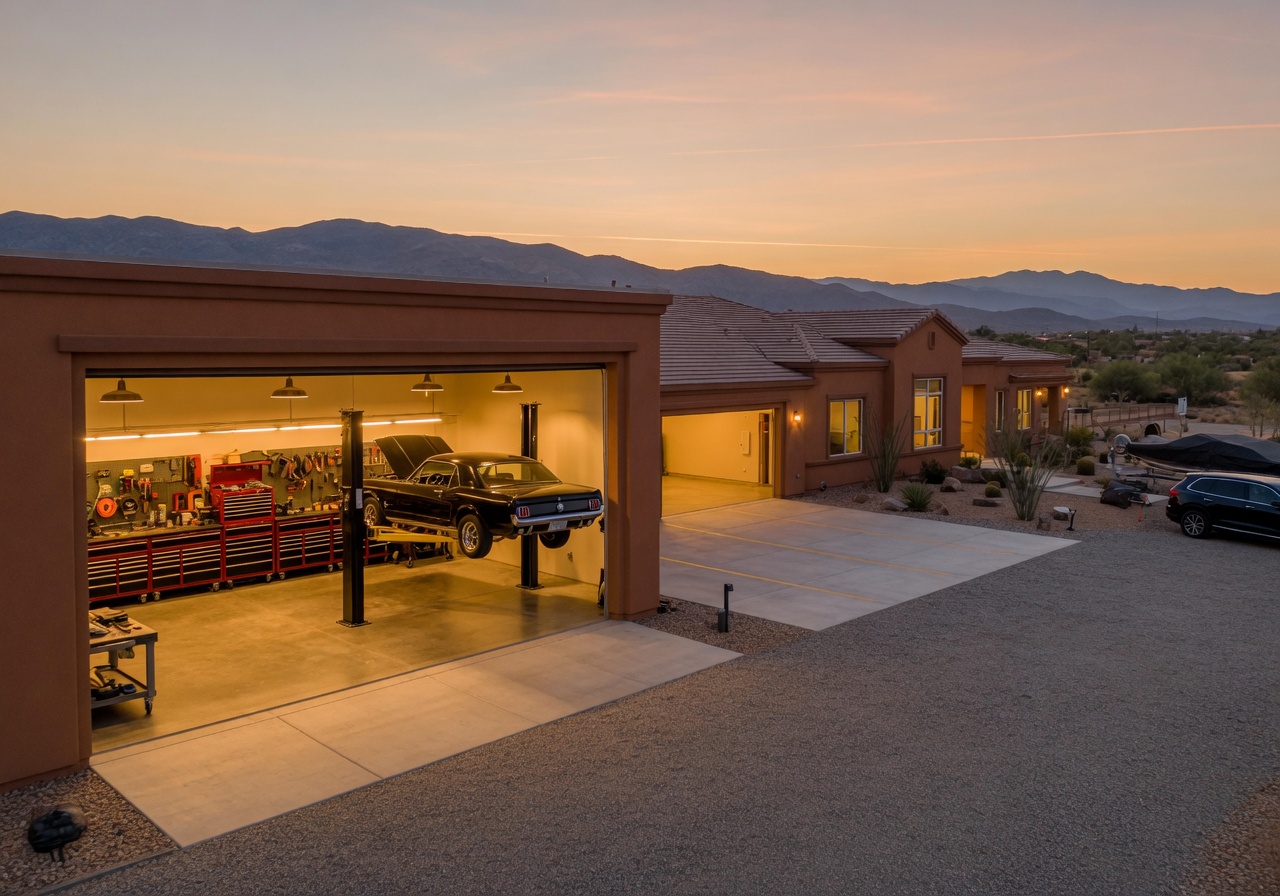
Cool, consistent temperatures. An insulated garage that stays between 40°F and 80°F year-round is the sweet spot. If your garage is attached to the house and shares walls, the climate-controlled side helps stabilize temperature swings. Detached garages with good insulation work well too — many of the ranch-style properties in the Carson Valley and Dayton are built this way.
Sealed floors. Unsealed concrete wicks moisture from the ground and creates a damp microclimate at floor level — the opposite of what you want. A concrete sealer or epoxy coating on the garage floor creates a moisture barrier and makes cleanup easier. It's a weekend project that pays dividends.
Dehumidifier. Even in the desert, enclosed spaces can trap moisture, especially in winter when condensation forms on cold metal surfaces. A basic dehumidifier running in the garage during winter months keeps the ambient humidity low and prevents condensation on the car. Set it to maintain 40–50% relative humidity.
Proper ventilation. You want air circulation without letting in dust. Passive vents near the roofline and a small exhaust fan on a timer provide good airflow. Avoid leaving the garage door cracked — it lets in dust, UV light, and temperature extremes.
Long-Term Storage Checklist
If you're putting a car away for the winter or any extended period, here's the Northern Nevada-specific checklist:
- Fill the fuel tank and add a fuel stabilizer — the dry air accelerates fuel evaporation, and stabilizer prevents gum and varnish in the carburetor or injectors.
- Change the oil and filter before storage. Old oil contains acids and contaminants that can etch bearings over time.
- Remove the battery or connect a quality battery tender. Cold winter nights drain batteries faster than you'd think.
- Clean the car thoroughly before covering it. Desert dust combined with condensation creates a mild abrasive paste on the paint.
- Jack up the car and place it on jack stands to keep weight off the tires, or use tire cradles if that's not practical.
- Stuff steel wool in the tailpipe and exhaust tips to keep rodents out — they love the dry, enclosed spaces of a stored car.
- Set mouse traps or use rodent repellent in the garage. Mice chewing through wiring harnesses is one of the most common and expensive storage problems in the region.
- Check the car monthly. Walk around, check tire pressure, look for signs of leaks or pest activity, and start the engine if you can.
The Properties That Make It Easy
One of the things I see consistently — after 40+ years of real estate work in this region — is that car enthusiasts who have the right garage setup are happier and spend less money on repairs. Northern Nevada has a strong inventory of properties with detached garages, workshop space, and room for multiple vehicles. The Carson Valley, Dayton, and the outskirts of Reno all offer homes where the garage isn't an afterthought — it's a feature.
If you're looking for a property with the kind of garage space that makes classic car ownership easy, it's worth finding one that's already set up with concrete floors, proper insulation, high ceilings, and room for a lift. You'll find that these properties exist throughout the region and at price points that would be unimaginable on the West Coast.
And if you're already here with a project car in a garage that's not quite right, the community is full of people who've solved the same problem. The Nevada Car Coalition Facebook page is a good place to ask about local storage facilities, shop space for rent, and garage setups that other enthusiasts have built. People love to share what works.
Northern Nevada is one of the best places in the country to own a classic car. The climate does most of the work for you. A little preparation and the right setup make the rest easy. Get the garage right, and the car will thank you for decades.
Related Reading
Carson Valley Garage Home Guide
Free guide to finding homes with proper garage space, workshops, and climate-appropriate storage for classic cars.
Relocating to Northern Nevada? A Car Enthusiast's Guide
Registration rules, garage-friendly neighborhoods, and everything you need to know about moving here with your collection.
Local Automotive Resources
Trusted local shops for detailing, restoration, and body work to keep your classic looking its best.